The goal of quality control is simple: ship zero-defect products to the customer. On many production lines today, though, that goal rests on two weak links: visual inspection by an operator and tests that only check upper and lower limits. At TOYER R&D we are working on two projects that tackle both with artificial intelligence:
- Camera-based ring brazing inspection — inspecting every induction ring brazed joint with computer vision, during production.
- Smart product testing — analysing the measurement, signal and image data from end-of-line test stations with AI.
One checks the joint, the other checks the finished product; both serve the same goal.
Project 1: Camera-based induction ring brazing inspection
Today, brazed joints are inspected by eye
Visual inspection of ring brazed joints depends heavily on the operator. That has three consequences:
- Person-dependent results: The decision varies with the operator's attention and experience.
- Slow and tiring: Inspecting every part with the same care over a full shift is hard.
- Sensitive to conditions: Lighting, reflections and part-to-part variation increase the error margin. Classic rule-based image processing also struggles when conditions change.
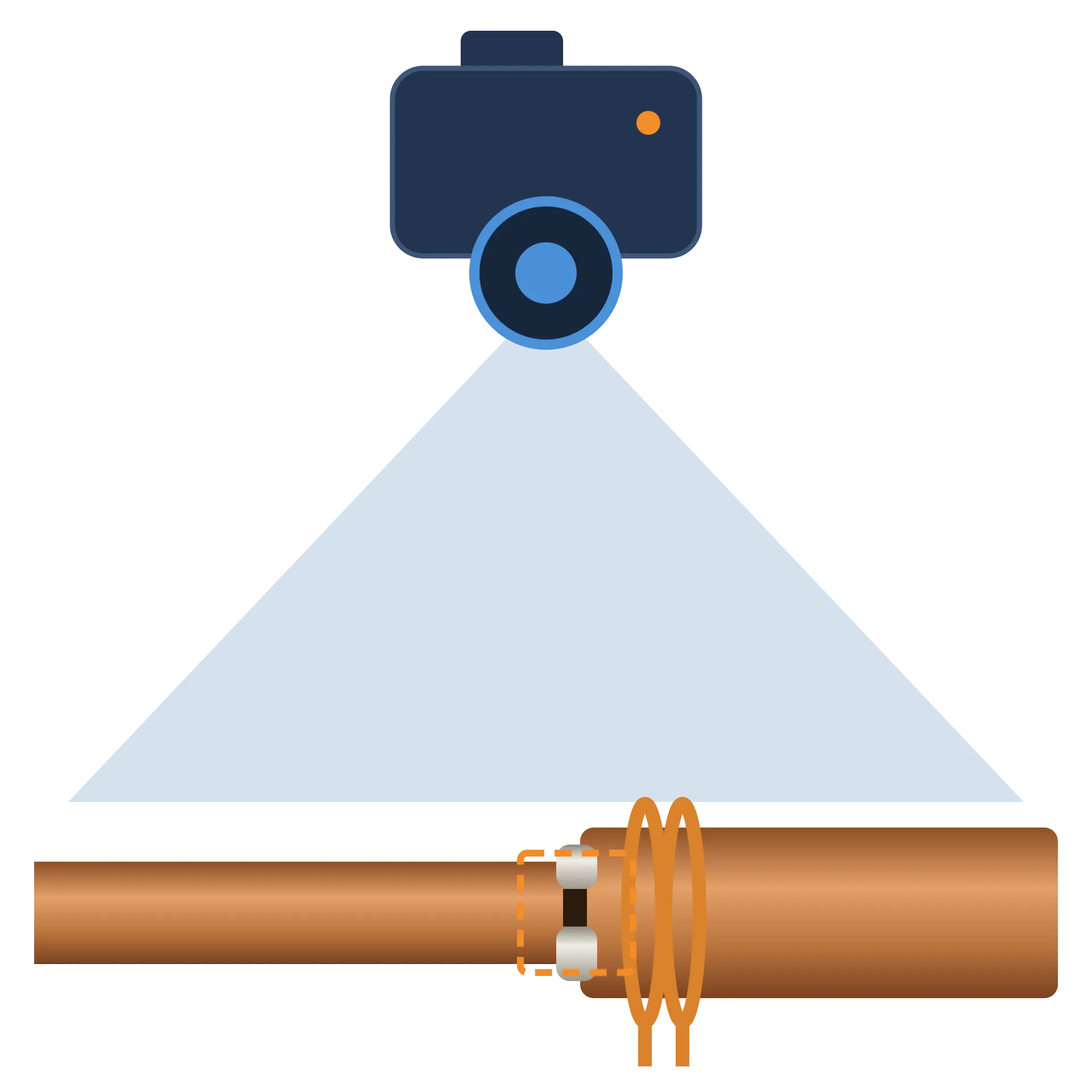
The goal: evaluate every ring brazed joint objectively and in real time with cameras and AI.
What does the model see?
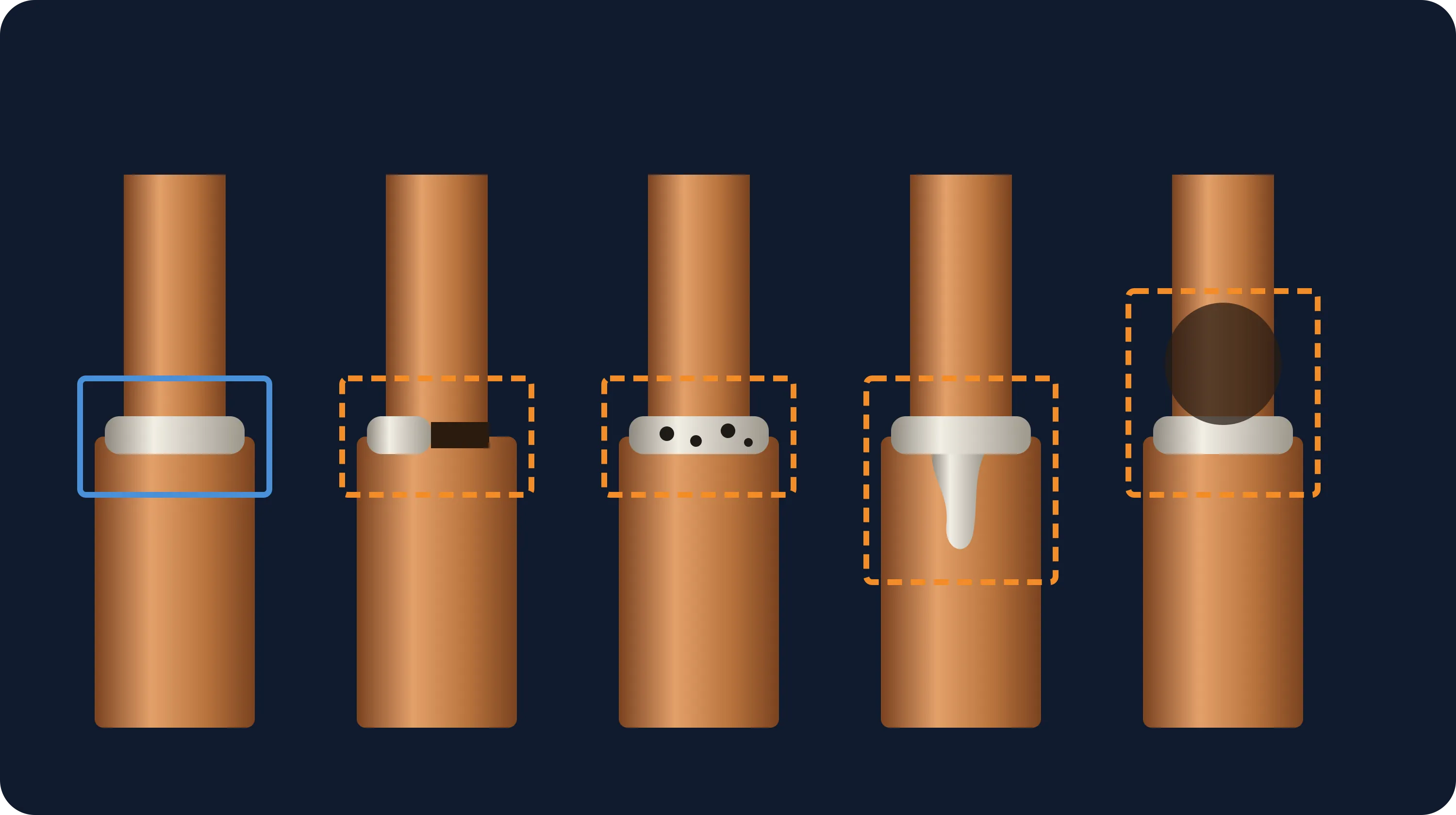
The deep learning model does more than say "good" or "bad" for each frame; it determines the type, location and size of the defect. In the example frame below, one of five joints is good and the other four are flagged with different defect types.
How does the system work?
- Image capture: Every joint is photographed after induction heating; power and duration data are linked to the image.
- Labelling: Good and defective images are annotated by defect class.
- Model training: YOLO (object detection) and U-Net (segmentation) models learn the defect's type, location and size.
- Real-time decision: Each part gets an OK / NOK decision, and the defective region is highlighted on the image.
- Integration: The decision is sent to the PLC / MES, defective parts are rejected and results are reported.
The output for every part: an OK / NOK decision, defect type, defect location and a permanent record.
Monitoring heating live with a thermal camera
An image shows the result of brazing. To see the cause of a defect, you have to watch the process itself. A thermal camera measures the joint temperature continuously during induction heating:
- Underheating: The ring does not fully melt, leaving an incomplete braze.
- Overheating: Burning, oxidation and overflow appear.
- Early warning: Each part's heating curve is recorded; the model can catch a deviation before brazing is even finished.
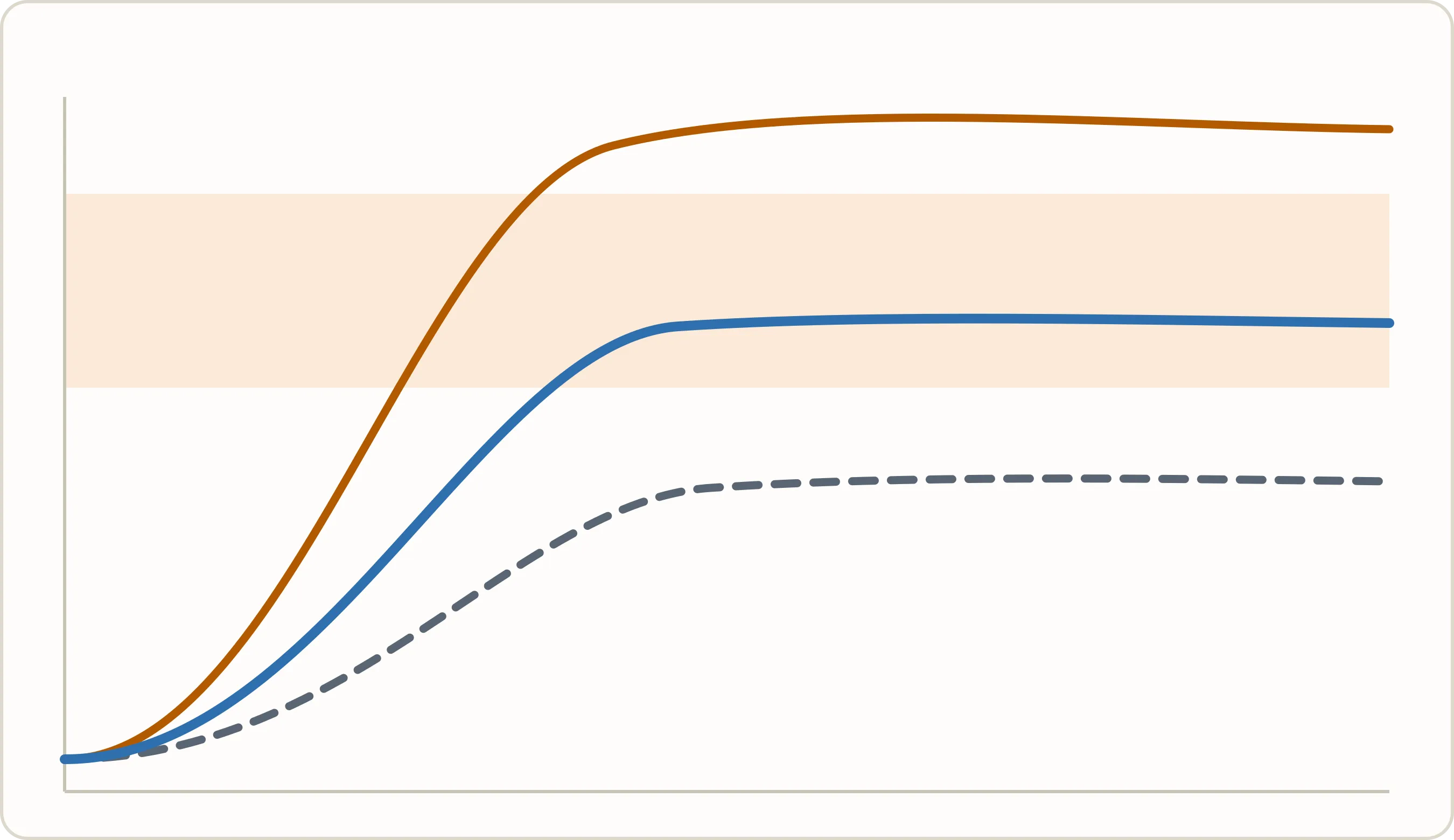
Evaluating thermal data together with the image puts both the result and the cause of a defect in the same record.
What do we gain?
- Standardised inspection: Repeatable evaluation, independent of the operator.
- 100% part inspection: Inspection time drops and every part is checked.
- Zero-defect deliveries: Lower risk of shipping a defective part.
- Process improvement: Defect trends are used to optimise induction power, duration and coil position.
- A self-improving system: The model keeps getting stronger with new data.
Project 2: Smart product testing
Fixed limits miss hidden defects
Most test stations today answer a single question: is the measurement within the upper and lower limits? Yet products that stay within limits while deviating from normal behaviour can fail later in the field. And in sound, vibration and visual tests, the final decision still comes down to the operator's ear and eye.
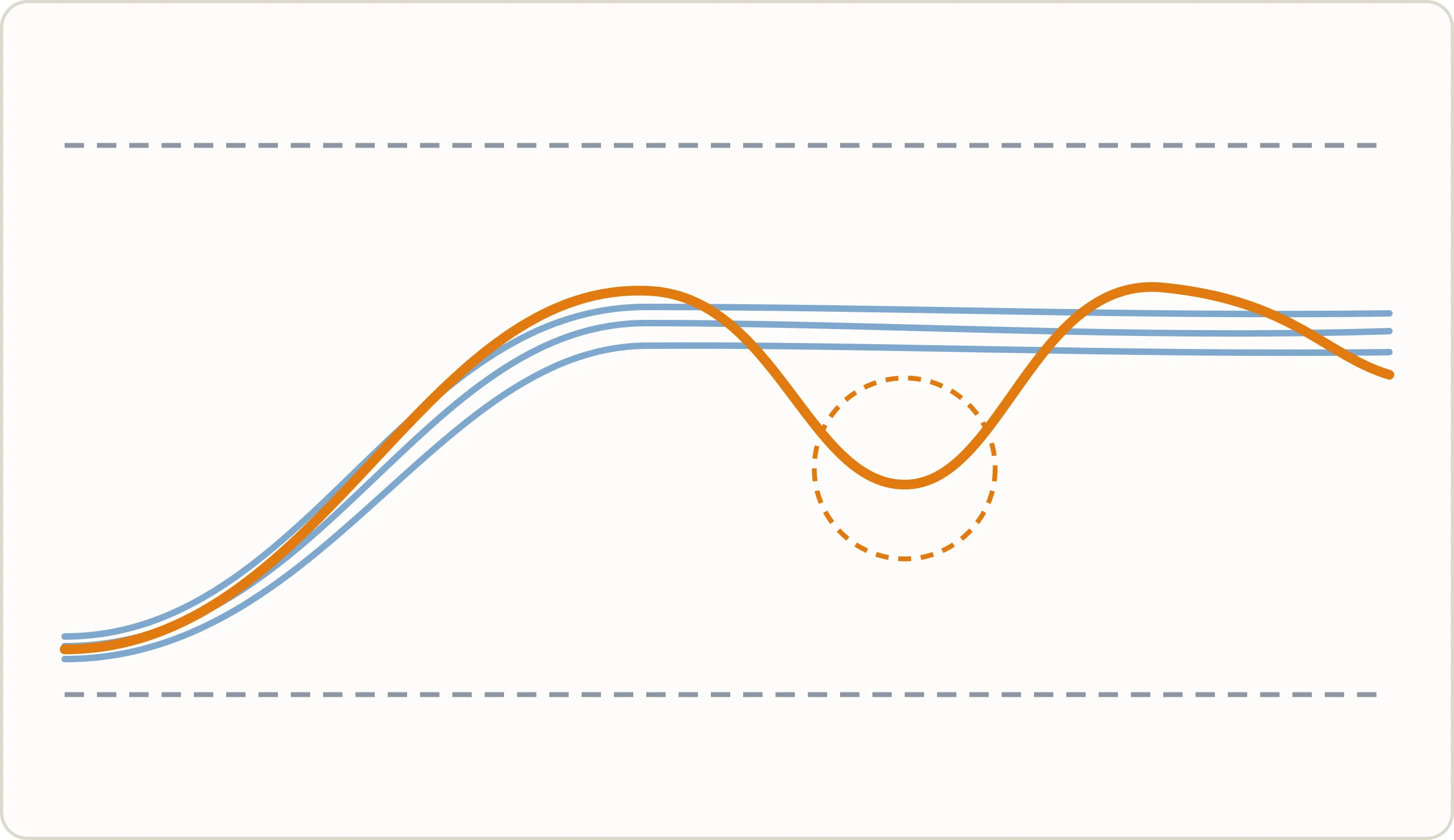
AI evaluates a product against normal product behaviour, not just against limits.
How does the system work?
- Data collection: Current, voltage, pressure, torque, sound, vibration and image data are recorded against the serial number.
- Learning normal behaviour: Anomaly models (Autoencoder, Isolation Forest) are trained on data from good products.
- Defect classification: CNN, LSTM and Random Forest models determine the defect type and its likely root cause.
- Real-time decision: Each product gets an OK / NOK / Suspect decision; products within limits but abnormal are flagged.
- Test time optimisation: Repetitive test steps that do not affect the decision are reduced, shortening cycle time.
- Reporting: Results flow to MES / ERP and are matched with field failures to improve the model.
What do we gain?
- Catching hidden defects: Products that would fail in the field are separated in advance.
- Operator-independent decisions: Objective evaluation in sound, vibration and visual tests.
- Shorter tests: Test times and costs go down.
- Faster root-cause analysis: The cause of a defect is found sooner.
- Fewer complaints: Customer complaints and warranty costs fall.
The two projects side by side
| Ring brazing inspection | Smart product testing | |
|---|---|---|
| Data source | Camera images + induction data (power, duration) | Measurements, signals, images |
| AI method | Object detection, segmentation (YOLO, U-Net) | Anomaly detection, classification (Autoencoder, LSTM) |
| Decision | OK / NOK + defect type and location | OK / NOK / Suspect + likely root cause |
| Integration | PLC / MES | MES / ERP |
| Key gain | 100% objective visual inspection | Early detection of hidden defects |
The two projects use different data, but most of the infrastructure is shared: data collection, labelling, model training and MES integrationcan serve both. That reduces cost and setup time.
Rolling out in four phases
- Data collection: Camera installation, recording test data, labelling images.
- Model development: Training the models, accuracy and speed testing.
- Pilot: Running in parallel on a single line and comparing results with operator decisions.
- Roll-out: Expanding to all lines, PLC / MES integration and continuous improvement.
The first concrete step is selecting a pilot line and starting to collect sample data. You can see our existing work in this area on theAI-Integrated Brazing System page, and our testing work on theRobotic Testing page.
Facing a similar quality problem on your own line? Get in touch and let's evaluate it together.